master's project
This is a living archive of my Master’s research journey, a space where I explore, test, and iterate
00
problem
A language is only alive if someone chooses to speak it. In Na-Cho Nyäk Dun, Northern Tutchone has fewer than a dozen remaining speakers, and the gap between those Elders and the next generation isn't just one of age. It's one of relevance, access, and motivation.
solution
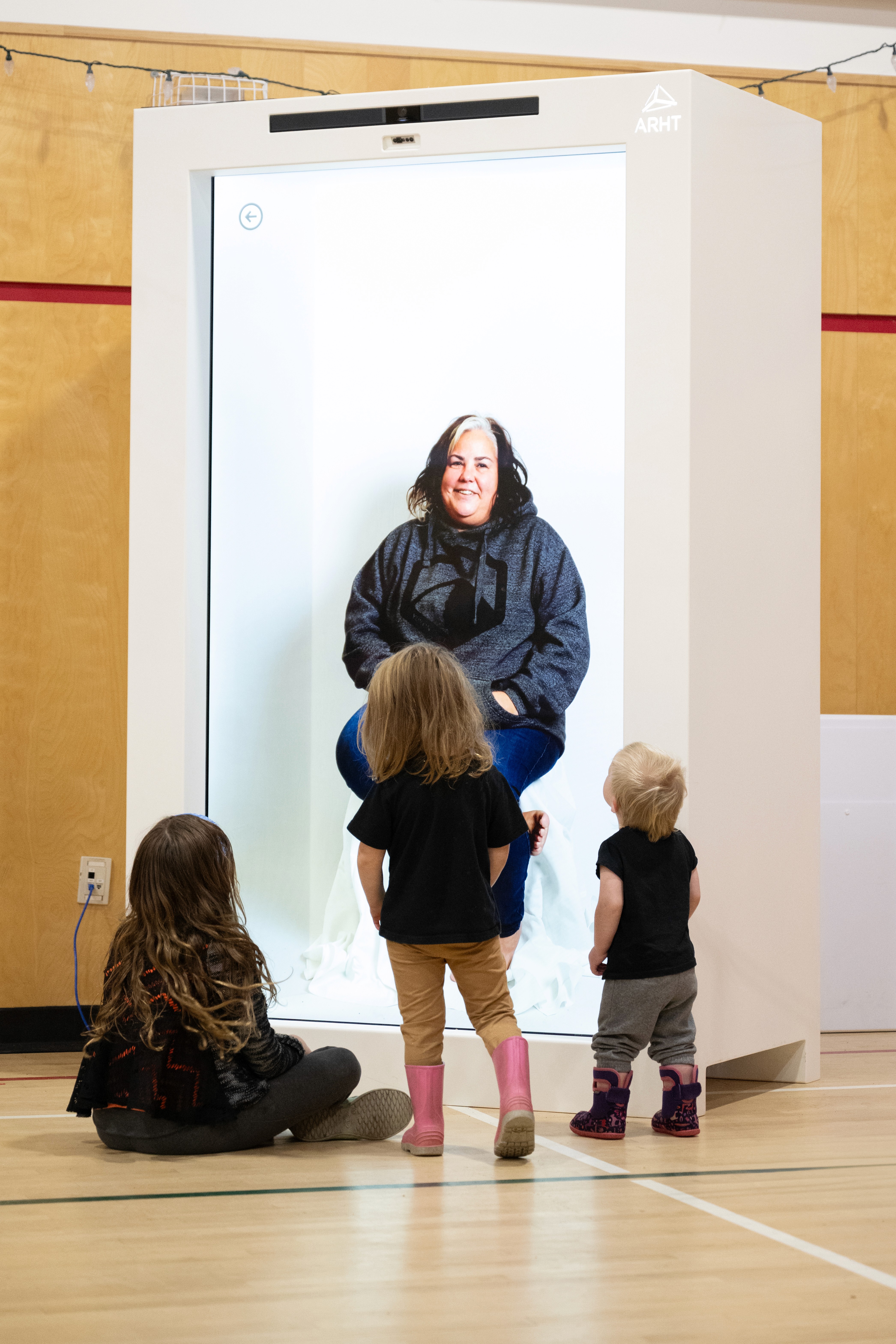
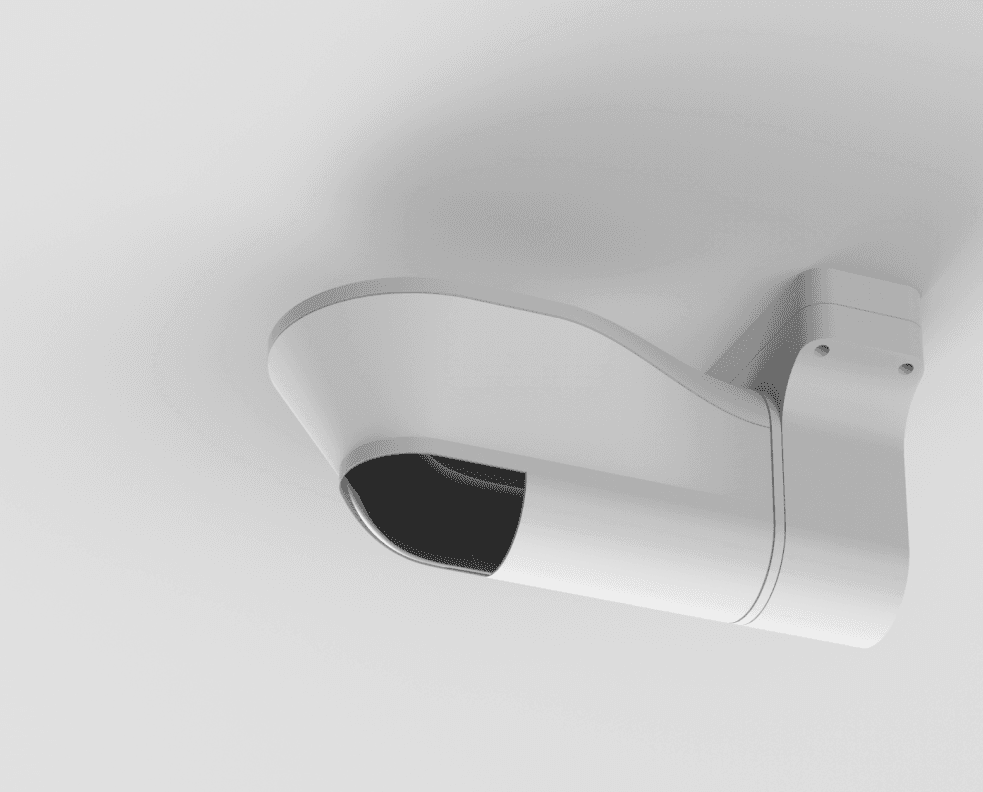
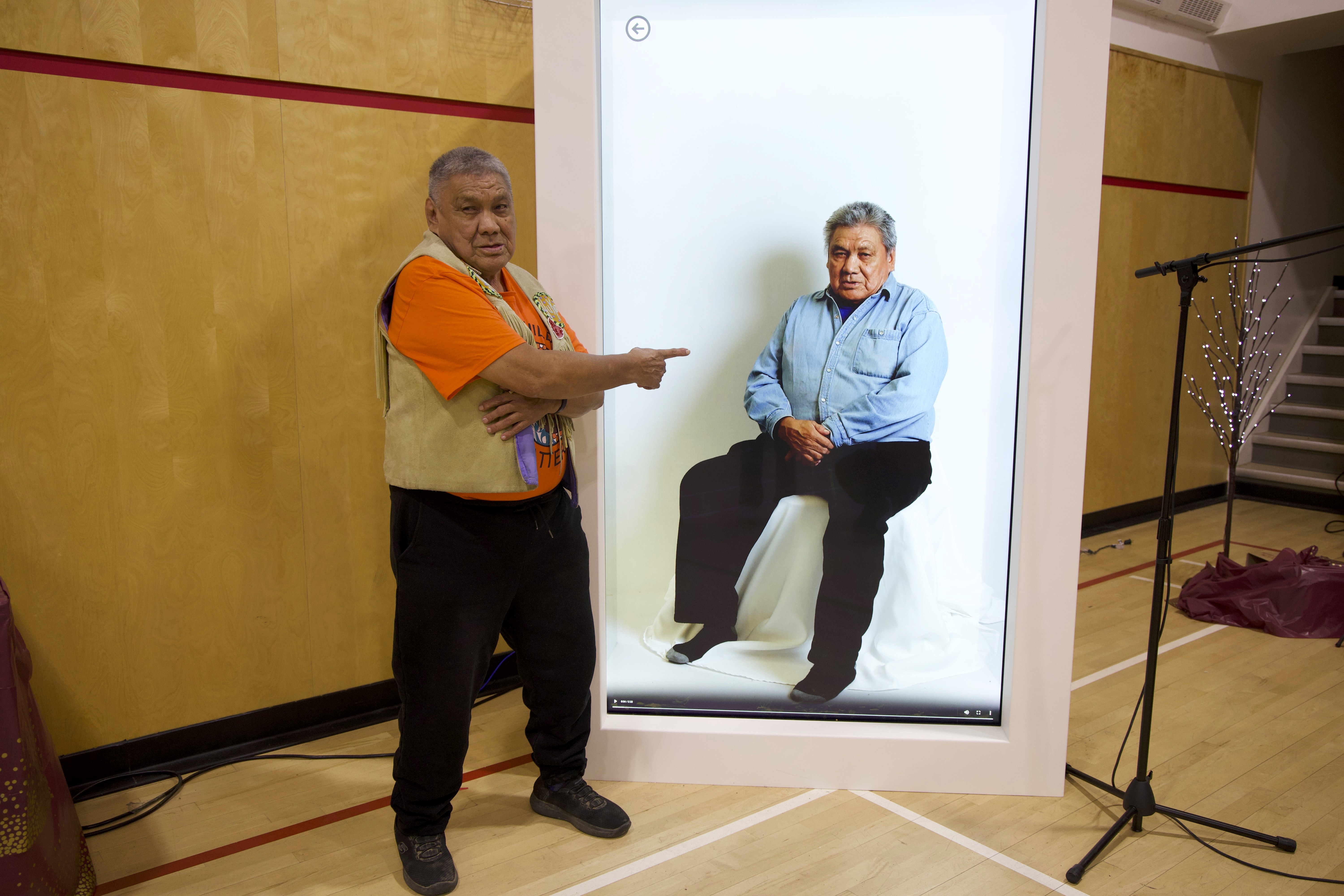
The HoloBox was designed for conference speakers. I proposed it as something else — a way to make Elders present in a room even when they couldn't be. The community responded before I'd finished the pitch. They began signing up to record. Their only condition: it couldn't just be something you watched. It had to be something you could interact with..
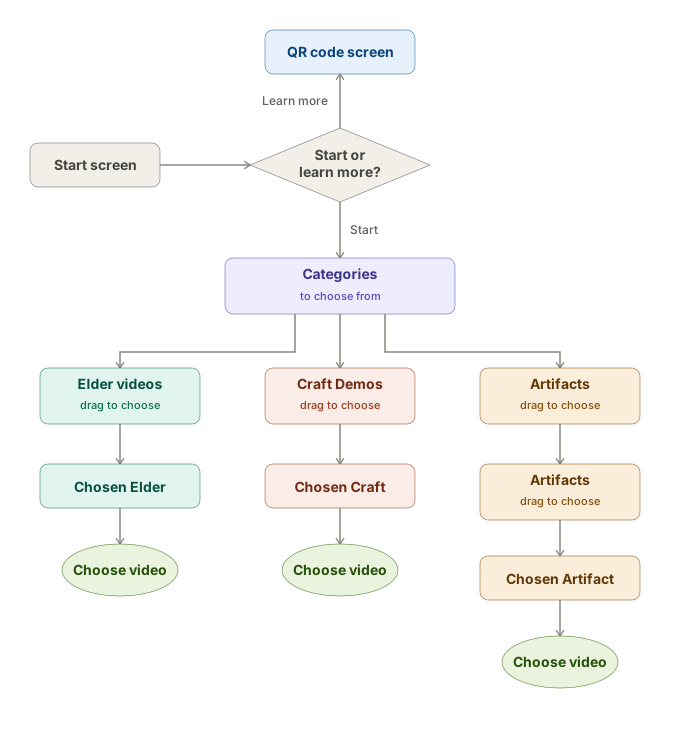
With the recordings collected and the stories in hand, the design process became genuinely collaborative. Community members didn't review what I built, they shaped what got built. Together we mapped the user flow and decided what the experience should hold.
Design Challenges
Designing for a life-size holographic display introduced constraints I hadn't encountered before. Every interactive element had to land at eye level, not metaphorically, but literally, for a projection the size of a person. And unlike most interfaces, this one carried cultural weight. Every decision about what to show, how to label it, and what to prioritize had to be legible not just to a user, but to a community.
Iterations
I built in Figma. I brought it back. It changed. I built again. The community's feedback wasn't a checkpoint at the end of the process, it was the process. Each round of iteration tightened the gap between what I assumed would work and what actually felt right to the people it was for.
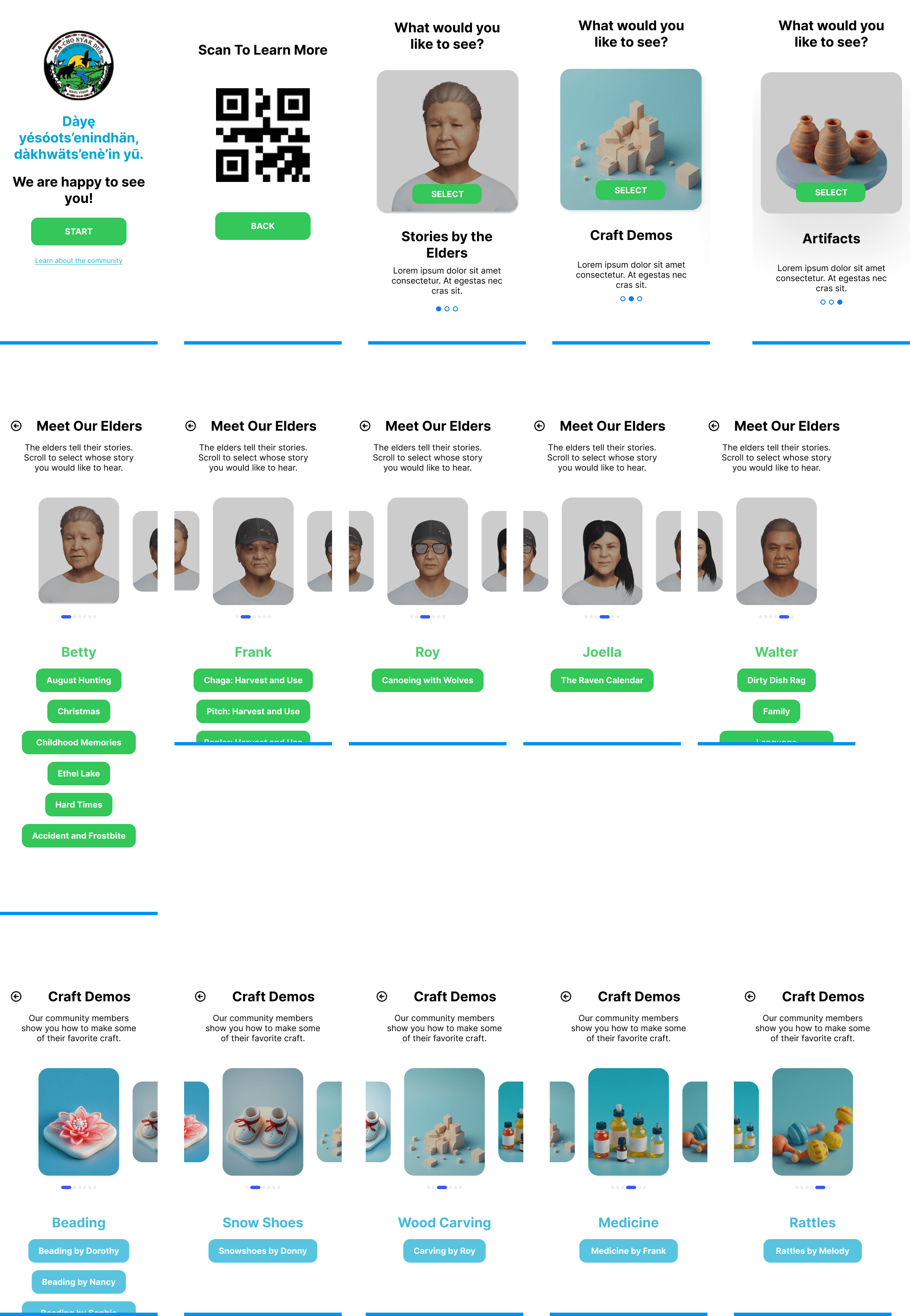
Design 1
The first design was clean, functional, and wrong. White backgrounds, green buttons, rectangular photo cards, it worked as an interface, but it could have been any app for any purpose. The visual language was mine, not theirs. The Elders appeared in cropped portrait frames like profile pictures. The craft categories looked like an e-commerce catalogue. It was legible. It was generic.
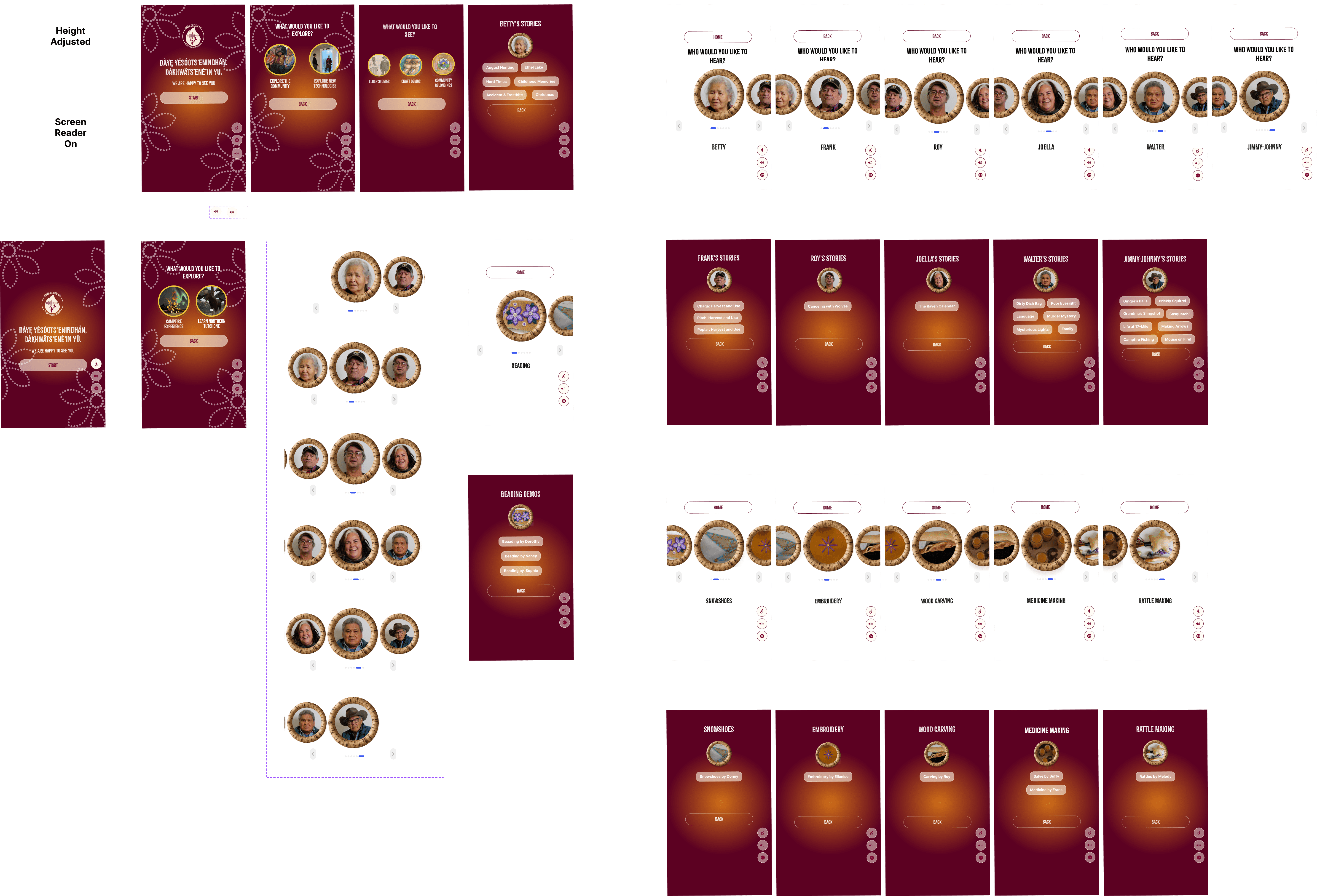
Design 2

The second design started from a different question entirely: what does this community's visual world actually look like? The answer changed everything. The burgundy and amber palette drew from the warmth of the community's existing materials. Elder portraits moved into circular frames with decorative beadwork-inspired borders, a deliberate echo of cultural craft traditions rather than a UI convention. The warm gradients replaced clinical white. The whole experience started to feel like it belonged somewhere specific.
Design Demo
September 30th, 2025
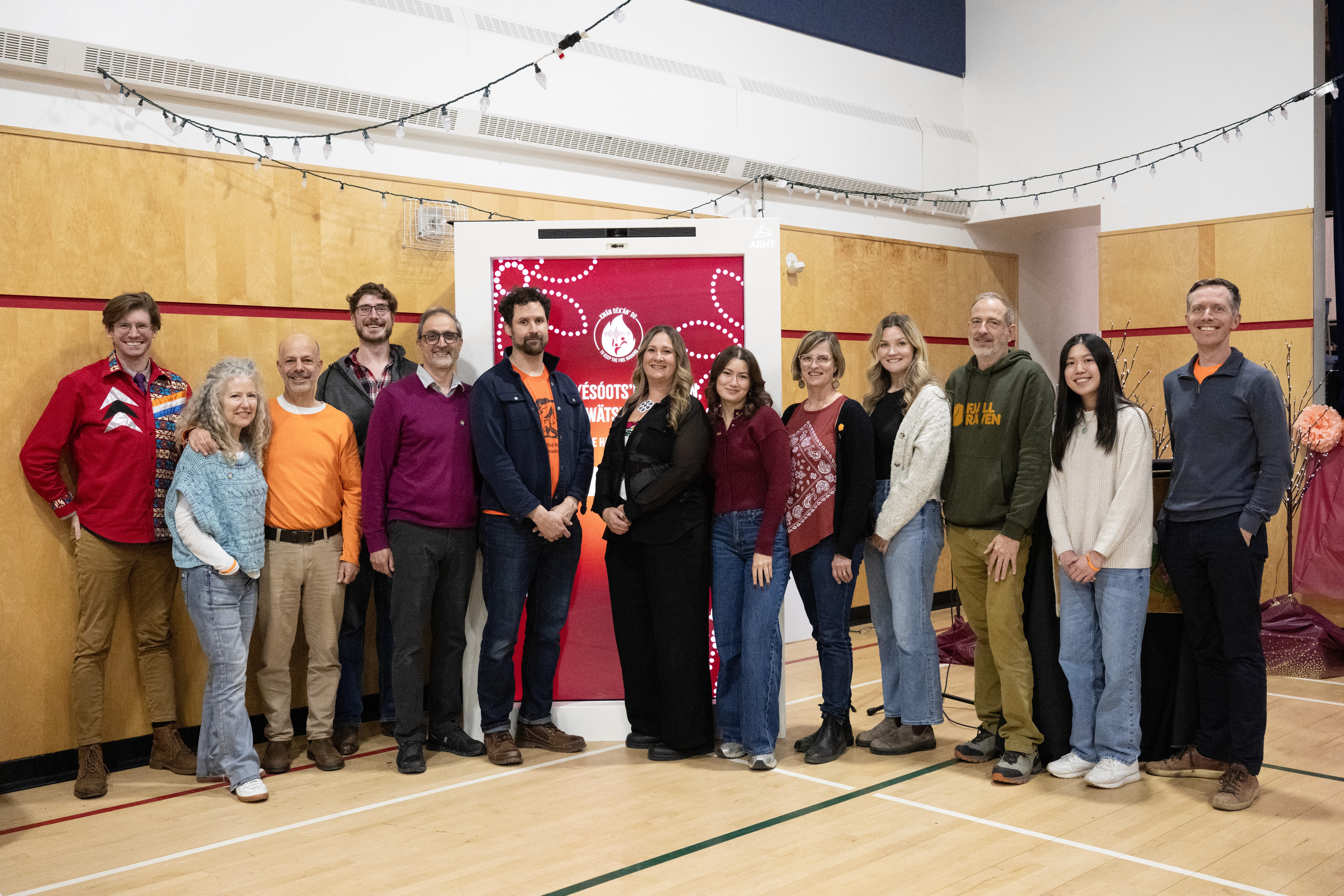
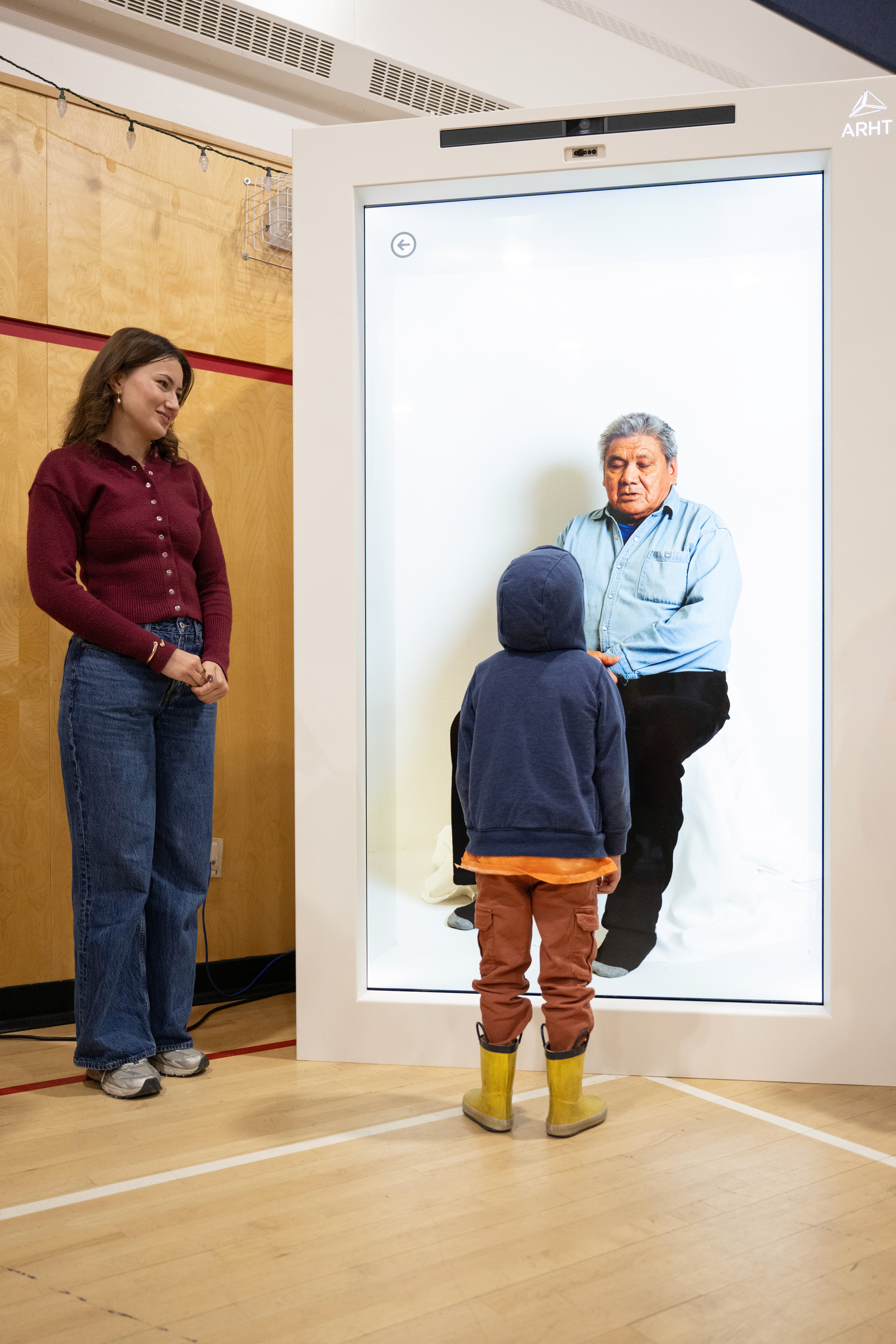
The demo in Mayo, Yukon was where the design met reality. Watching community members interact with the HoloBox for the first time told me things no workshop could (where people hesitated and what drew them in).
Main Takeaways:
The design assumed one person standing alone. The community arrived together. That gap between how I imagined the interaction and how it actually happened told me more than any user interview could.
The environment told me something too. Ambient light, noise, and a crowd of people pushed the holographic illusion to its limits. Some things a designer controls. Some things belong to the room, and the design has to survive both.
What's next?
The holobox is evolving into a collaborative platform. The next iteration will enable consensus-based group interaction using mobile devices as controllers, allowing multiple people to simultaneously explore and select cultural content together on the holographic display.
This multi-modal approach (combining the holobox's central visual space with personal mobile devices) better reflects NND's communal decision-making traditions. Rather than a single user controlling the experience, groups can discuss and collectively choose which cultural materials to view, supporting the social nature of knowledge transmission.
This direction builds on comparative research testing different group coordination methods around shared displays. Early findings suggest consensus-based interaction promotes more equitable participation, making it ideal for community-centered cultural applications where every voice matters.
The goal: technology that doesn't just display culture, but facilitates cultural practice.
year
ongoing
timeframe
ongoing
tools
Figma, Photoshop
category
UI/UX
01
02